Fabric Study · August 2026 · 5 min read
Inside Double-Knit Modal: Why It Feels Different From Cotton
It's softer than cotton, holds its shape better, and doesn't need a seam to fit close to the body. Here's what double-knit modal actually is, and why it's the fabric behind VELRA's everyday layer.
Short Answer
- Modal is a semi-synthetic fibre regenerated from beech tree cellulose — derived from a renewable plant source, but spun through an industrial process closer to viscose than to cotton.
- Modal fibre is finer and smoother than cotton fibre, which is why modal fabric feels soft from the first wear without cotton's break-in period.
- Modal is more absorbent than cotton by weight, so it moves moisture away from the skin rather than holding it against the body.
- Double-knit construction interlocks two layers, building stretch and recovery into the fabric itself so a garment can be cut seam-free without added elastic panels.
- Modal resists shrinking better than cotton, but heat is its main risk — high-temperature washing or tumble drying degrades its recovery.
- Modal is generally more resource-efficient than conventional cotton, though its sustainability depends on how responsibly the pulp is sourced and processed.
A Fibre Made From Wood
Modal starts as beech tree pulp, broken down chemically and regenerated into a continuous cellulose fibre. It sits in a category sometimes called semi-synthetic — not a purely natural fibre like cotton, and not a fully synthetic one like polyester, but something spun from a natural source using an industrial process.
Finer Than Cotton, By Design
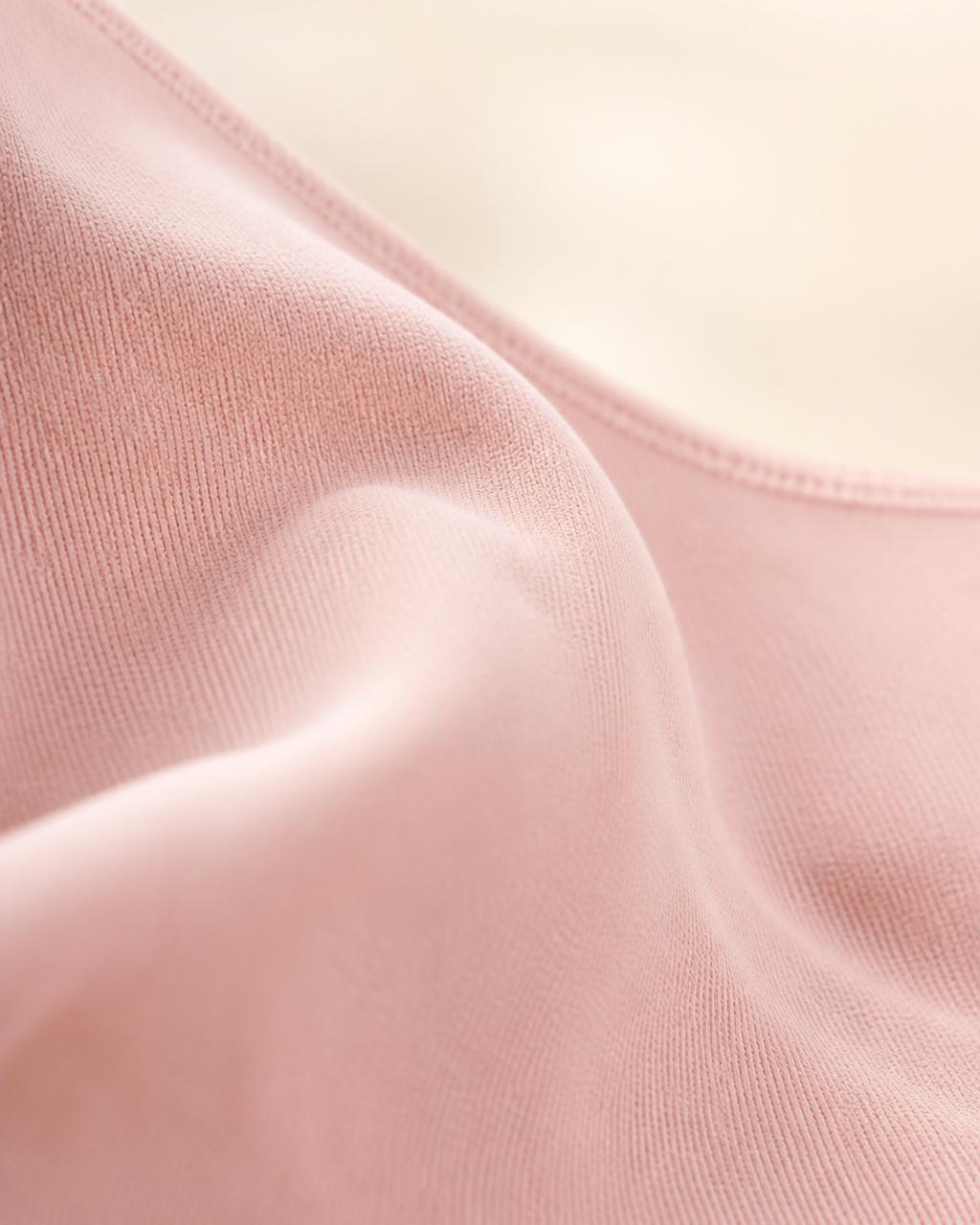
The modal fibre itself is finer and smoother than a cotton fibre, which is a large part of why fabrics made from it feel softer against skin from the very first wear, without the break-in period cotton often needs. It's also more absorbent by weight, which means it moves moisture away from the body efficiently rather than holding it.
Why 'Double-Knit' Matters
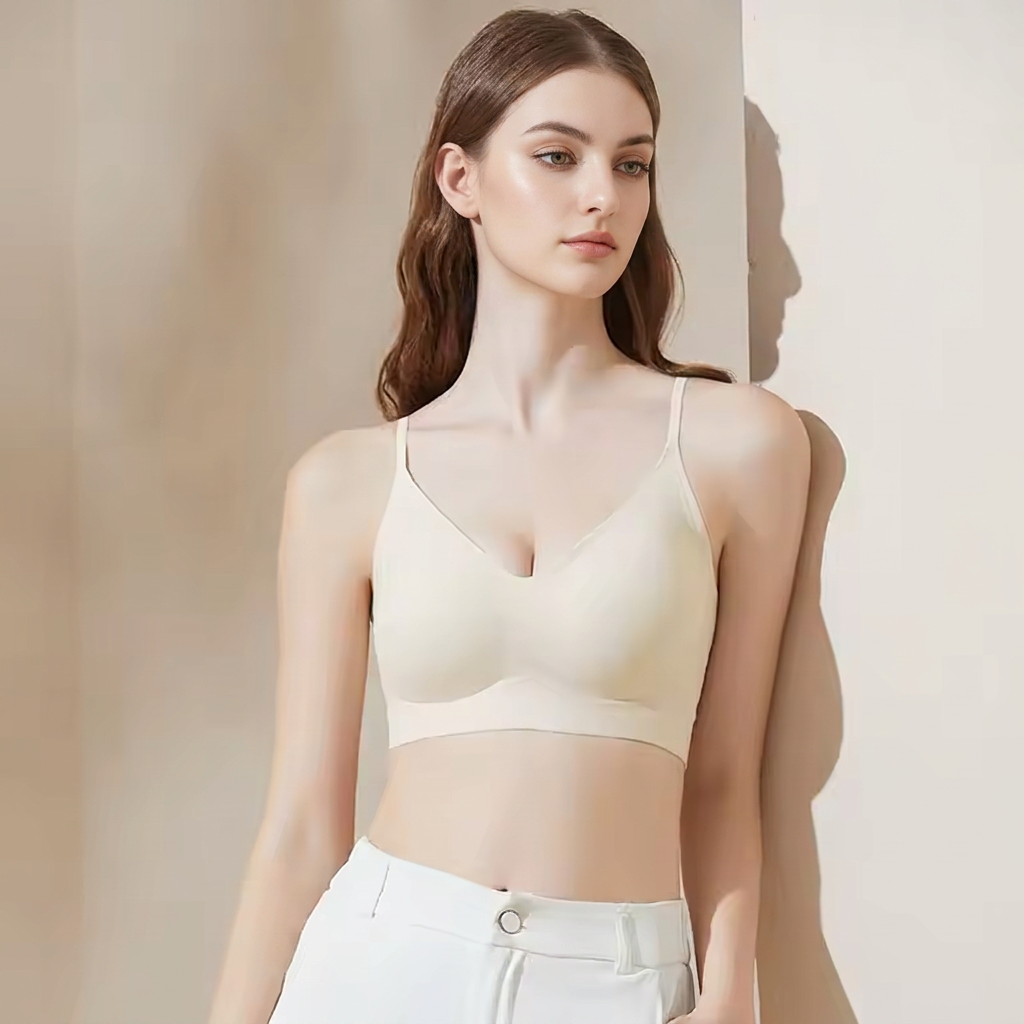
Knitting modal fibre into a double-knit structure — two interlocking layers rather than one — builds natural stretch and recovery directly into the fabric itself. That's what makes it possible to laser-cut Aura Second-Skin Bralette from a single piece with no seam and no wire: the fabric's own structure does the work a seam or an added elastic panel would otherwise need to do.
How It Behaves Against Skin All Day
Because the fibre is naturally moisture-wicking and the knit has genuine give, a double-knit modal layer moves with the body rather than resisting it — no ridge forming at the edge, no fabric bunching as you move through a normal day. It's a quieter kind of comfort than something you'd necessarily notice; you mostly notice its absence when you go back to wearing something else.
Caring for Modal
Cool, gentle wash and a flat lay to dry — modal holds its shape well under normal conditions, but like most knit fibres, heat is what breaks it down over time. Skip the tumble dryer and keep it out of direct, prolonged sun, and a double-knit modal piece should hold its softness and recovery well past a year of regular wear.
Questions, answered
What is modal fabric made from?
Modal is a semi-synthetic fibre made from regenerated beech tree cellulose. The wood pulp is broken down and spun into a fine, continuous fibre — closer in process to viscose or rayon than to a purely natural fibre like cotton, but derived from a renewable plant source.
Is modal more breathable than cotton?
Modal fibres are more absorbent than cotton by weight, pulling moisture away from the skin efficiently, which is part of why it's a common choice for close-to-body layers. Combined with an open double-knit structure, that absorbency translates into a fabric that feels cool and dry rather than damp against the skin.
Why does modal work well for a seamless bra specifically?
Because a double-knit modal fabric has natural stretch and recovery built into the knit itself, it can be laser-cut into a single piece and hold its shape without needing an additional seam or elastic panel for structure — which is exactly what allows a style like Aura to be genuinely seam-free.
Does modal fabric shrink or lose shape over time?
With proper care, modal holds its shape well — its fibre structure is naturally resistant to shrinking compared to cotton. Heat is the main risk: high-temperature washing or tumble drying can cause any knit fabric, modal included, to lose its recovery over time.
Is modal a sustainable fabric choice?
Modal is generally considered a more resource-efficient fibre than conventional cotton, since beech trees require less water and land to cultivate at scale. Its sustainability profile depends heavily on how responsibly the pulp is sourced and processed, which is worth checking for any modal garment.